| RECOMMENDED READING & RESEARCH |
ONBC OCTOBER 2026 FEATURE ARTICLE Insuring Bio-Based Buildings in Canada by Emiline Layfield, Building Biology-informed Healthy Home Consultant and Licenced Realtor® As interest grows in straw bale, hempcrete, wood fibre, cellulose, mass timber and other bio-based building The short answer: often, yes — but it usually takes more preparation than insuring a conventional building. Insurance Is Not the Same as Code Approval A building permit, mortgage approval and property insurance are three separate hurdles. A natural building
Natural Resources Canada has identified regulatory and market acceptance as barriers to scaling bio-based What the Canadian Experience Tells Us A CMHC-supported study, Straw Bale Construction in Atlantic Canada (2006), profiled 34 straw-bale homes
That precedent is encouraging, but it isn’t a guarantee. Underwriting guidelines vary considerably between Some Systems Remain Challenging The landscape isn’t consistent across bio-based systems. Sagen’s current residential mortgage-insurance Mass timber is moving the other way. NRCan has funded a Mass Timber Insurance Action Plan to investigate systemic solutions to insurance barriers, and the federal government’s December 2025 forest-sector Before You Build: Involve Your Insurer Early Don’t wait until construction is complete to investigate insurance. Ideally, start conversations with an Prepare an Underwriting Package A well-documented project is easier to evaluate. Depending on the building system, the essentials are: Ask the Right Questions When speaking with a broker or insurer, ask whether the proposed assembly is accepted as standard Think About Replacement Cost — and Construction Insurance A custom straw-bale, hempcrete, timber-frame or earthen building may need specialized trades and materials The Bigger Opportunity for Canada Canada is actively encouraging renewable, low-embodied-carbon construction materials, and federal ONBC Wants to Hear From You Have you insured, financed, designed or built a straw-bale, hempcrete, light-straw-clay, cob, cordwood, wood- Disclaimer |
Book Recommendations
Here are a few books recommended by our board members!
The Endeavour Centre has put together a great reading list so please visit their recommended reading page too.
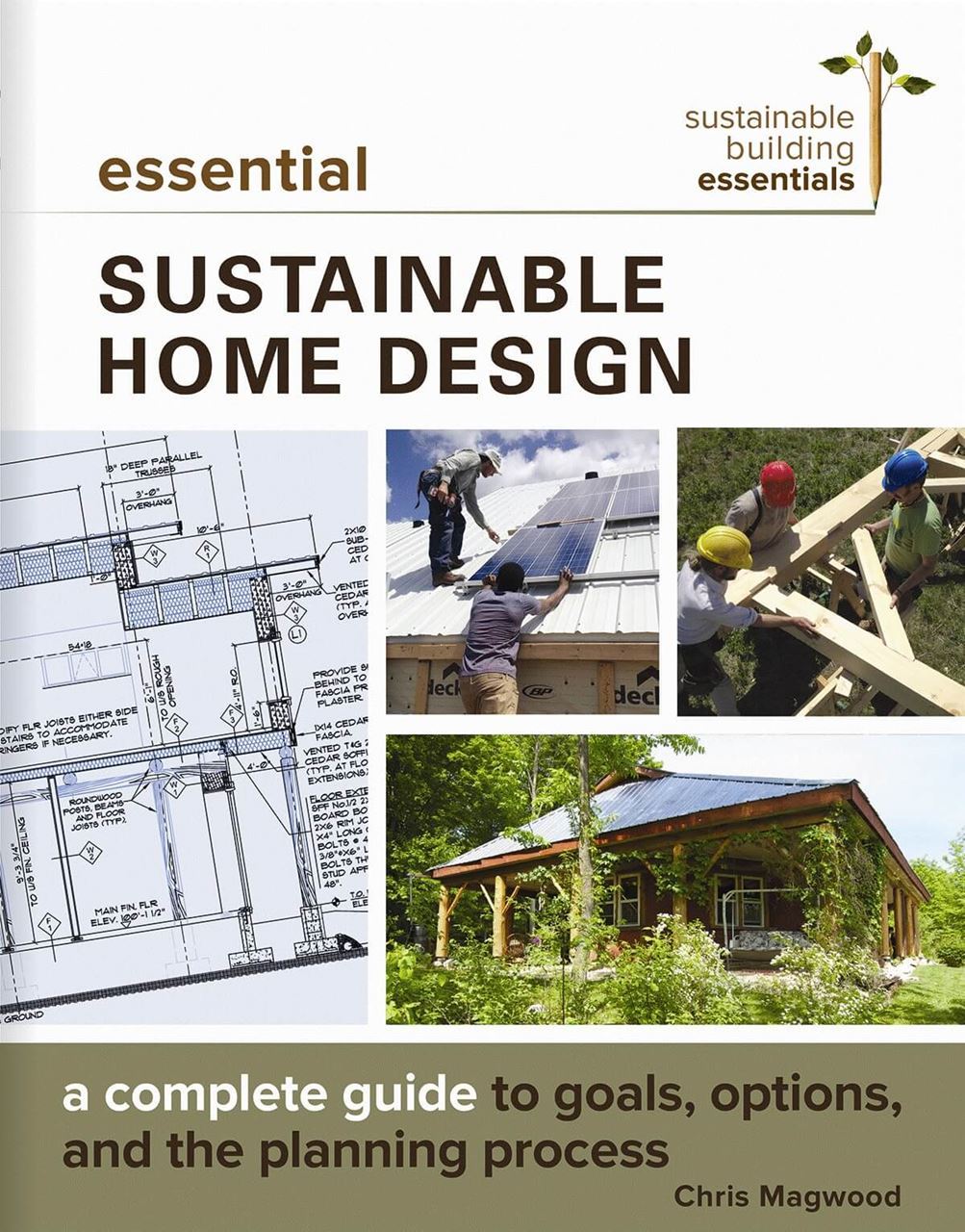
ESSENTIAL SUSTAINABLE HOME DESIGN A COMPLETE GUIDE TO GOALS, OPTIONS, AND THE DESIGN PROCESS by Chris Magwood | 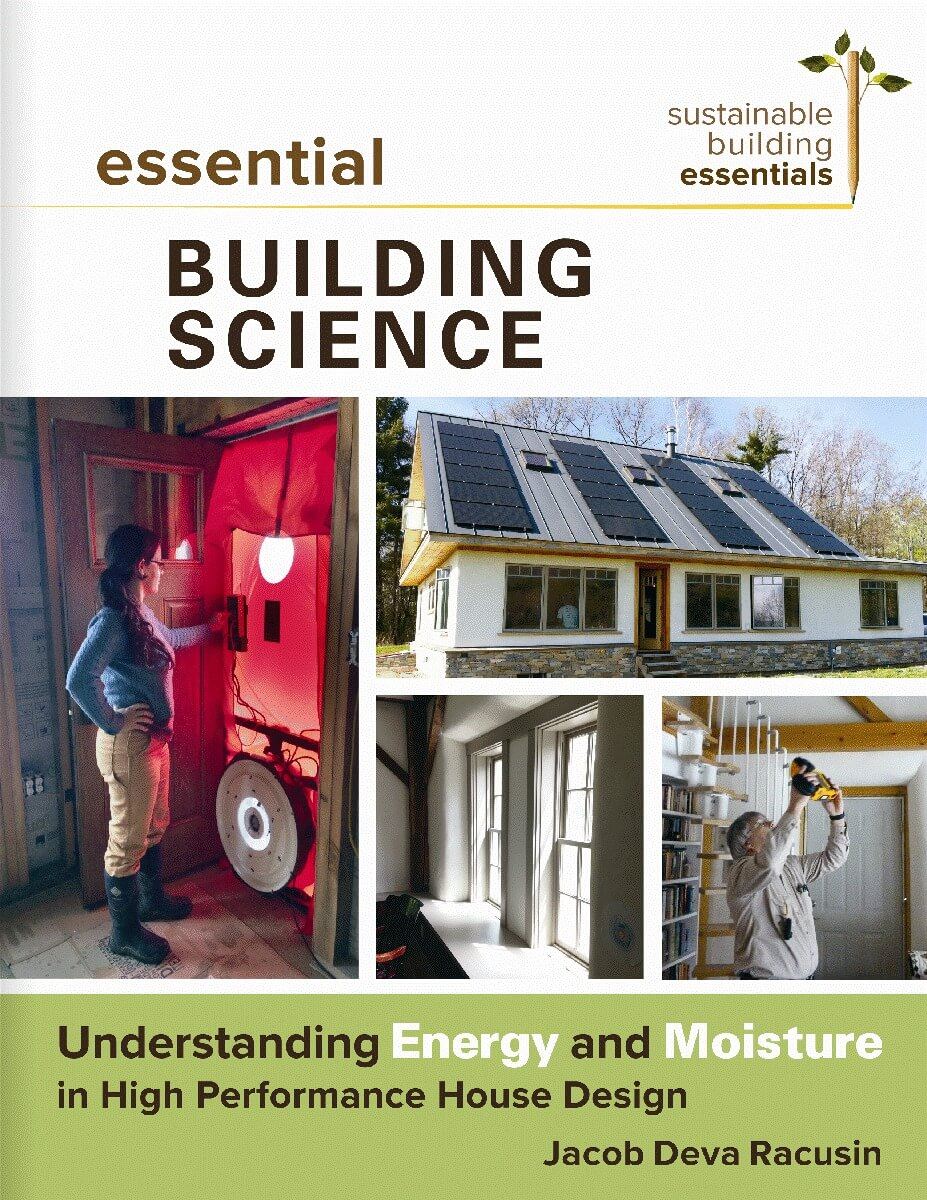 ESSENTIAL BUILDING SCIENCE UNDERSTANDING ENERGY AND MOISTURE IN HIGH PERFORMANCE HOUSE DESIGN by Jacob Deva Racusin |
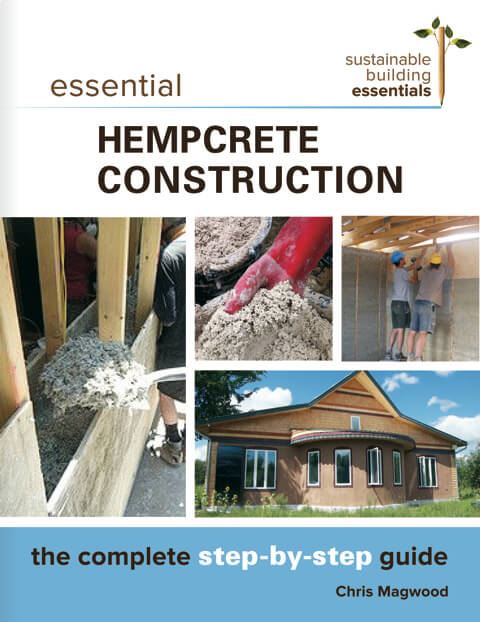
ESSENTIAL HEMPCRETE CONSTRUCTION THE COMPLETE STEP-BY-STEP GUIDE by Chris Magwood |
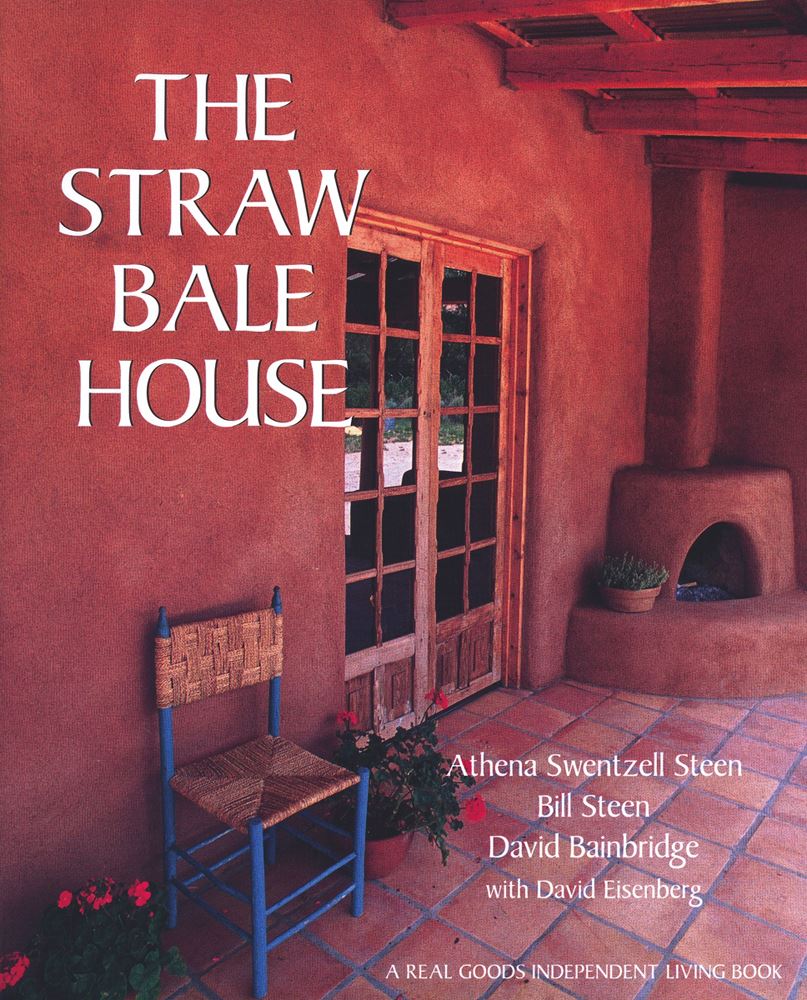
The Straw Bale House By David Bainbridge, Athena Swentzell Steen, Bill Steen |
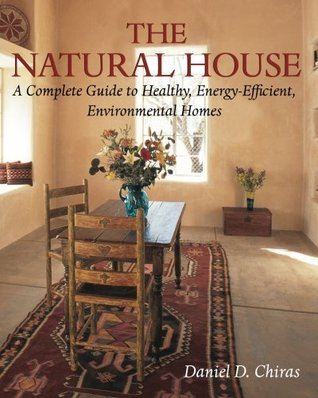
The Natural House: A Complete Guide to Healthy, Energy-efficient, Environmental Homes By Daniel D. Chiras |
Essential Natural Plasters A Guide to Materials, Recipes, and Useby Michael Henry & Tina Therrien |
The Accessible Home: by Deborah Pierce |
Rainwater Harvesting for Drylands and Beyond, Volume 1, 3rd Edition |
Rainwater Harvesting for Drylands and Beyond, Volume 2, 2nd Edition (NEW 2019) |
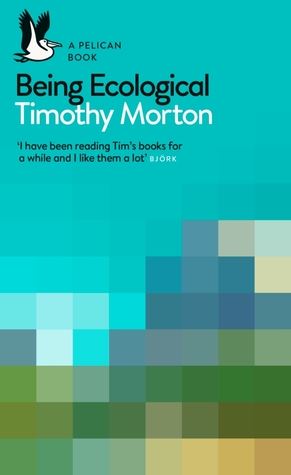
Being Ecological by Timothy Morton |
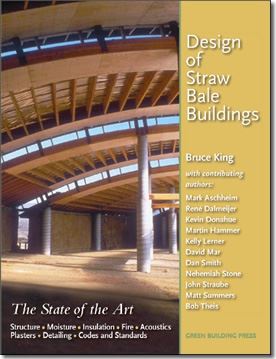
Design of Straw Bale Buildings: by Bruce King |
Prescriptions for a Healthy House, 4rth Edition. A Practical Guide for Architects, Builders & Home Owners by Paula Baker-Laporte, John C. Banta and Erica Elliott |

|
|
|


Building Biology: Criteria and Architectural Design by Nurgül Ece | Straw Bale Construction Manual by Gernot Minke and Benjamin Krick | Linseed Paint and Oil by Michiel Brouns |
|
|
|


Old Materials, New Climate by Susan Pranger | Materia: 40 Buildings in Stone, Earth and Plant Fibres by Yaan Le Bihan, Dominique Guazin-Müller and Zoé Tric | Manual of Biogenic House Sections by David J. Lewis, Marc Tsurumaki, and Paul Lewis
|
Recommended Websites
The California Straw Building Association
http://www.strawbuilding.org/
The California Straw Building Association (CASBA) is an all-volunteer non-profit organization committed to straw bale building.

Endeavour Centre for Sustainable Building
https://endeavourcentre.org/
Endeavour is an innovative sustainable building school based in Peterborough, Ontario offering hands-on learning opportunities.
Endeavour Centre's Sustainable Materials Encyclopedia
A free, comprehensive encyclopedia of sustainable building materials to help you choose the best sustainable housing ideas.
http://newsociety.ca/
New Society Publishers’ mission is to publish books for a world of change in a way that has a minimum impact on our environment. Our vision is to provide the world with fundamental tools to help build a just and ecologically sustainable society.
Builders for Climate Action is growing a coalition of builders, designers, developers, policy-makers, researchers and manufacturers to tackle the serious impact of buildings on our climate and work toward climate justice for all.
A non-profit organization whose members are designers, contractors, owner builders, and people interested in straw and natural building. We serve as a clearing house for information and as a network of resources.
The Natural Building Alliance
https://natural-building-alliance.org/
The Natural Building Alliance is committed to expanding and sharing knowledge, experience, and techniques for sustainable building. We promote quality building practices and serve as a resource for building professionals and homeowners.
Strawbale Association (France)
https://www.rfcp.fr/presentation/
Strawbale Association located in France
Eco Nest Homes
www.econesthomes.com
The name we have given to our holistically designed and hand-crafted natural homes. An EcoNest incorporates timber-frame, straw-clay walls, earth plasters and natural and non-toxic finishes. This combination of time-honored building traditions with modern innovations results in a home of unsurpassed health and comfort.
Green Building Advisor
www.greenbuildingadvisor.com
Green Building Advisor is a website dedicated to sharing accurate and complete information about designing, building, and remodeling high-performance homes. With clearly presented, professional-level information, our mission is to empower architects and designers, builders and remodelers, engineers, tradespeople, and homeowners to build more durable, energy-efficient, healthy, and climate-friendly homes.
Green Home Building.com
http://www.greenhomebuilding.com
Your hosts at greenhomebuilding.com are Kelly and Rosana Hart. We are happy to be able to provide you with the wide range of information related to sustainable architecture and natural building available at this site.
Buildability
buildability.ca and www.trainingbuilders.ca
A team of intelligent, creative, and innovative professionals who truly care about the buildings that house people. Research and Consulting; Publications and Interactive Media; Training Development and Delivery; and Program Development.
NRCan
https://www.nrcan.gc.ca/energy-efficiency/homes/20546
Find information on how to assess and improve the energy performance of old and new homes. Learn about the government programs and incentives that help Canadians consume less energy and save money.
Building Science Corporation
www.buildingscience.com
Building Science Corporation is a building science consulting firm with clients throughout North America. BSC specializes in building technology consulting for all types of buildings including commercial, institutional and residential.
Construction Instruction
constructioninstruction.com
Construction Instruction provides leading building professionals with the tools needed to apply building science principles while integrating cost-effective, practical solutions to build better, longer lasting, healthier homes.
475
foursevenfive.ca
475’s mission is to supply essential materials, building components, and knowledge that will lead a transformation of the North American construction industry toward making durable high-performance, Passive House and zero-energy buildings.
Athena Sustainable Materials Institute
www.athenasmi.org
The Athena Sustainable Materials Institute is a non-profit research collaborative bringing life cycle assessment to the construction sector.
DCAT
www.dcat.net/about_dcat/staff.php
Founded in 1991 as a non-profit organization, DCAT draws on extensive experience in traditional and alternative building and development, providing strategic support for the shift to sustainable building practices.
Brussels Corporation Studies
BC (Brussels Corporation) studies is a nonprofit research and education laboratory that explores the material environment through the lenses of construction and production experience.
amàco
amàco (Atelier Matières à Construire) is a French-language resource site for construction professionals (and future professionals) using locally available natural materials in architecture and design.
Healthy Materials Lab
Healthy Materials Lab is a design research lab at Parsons School of Design whose mission is to raise awareness about toxic chemicals in building products and provide resources for designers and architects who believe in putting peoples' health at the centre of design decisions.
Columbia University's Natural Materials Lab
https://www.arch.columbia.edu/research/labs/17-natural-materials-lab
The Natural Materials Lab, founded and directed by Columbia University Assistant Professor Lola Ben-Alon, explores raw earth-and-fibre-based building materials. The Lab's research is focused on building socially equitable and ecologically sustainable futures where material science, geology and geography, architecture, engineering, art, and design intersect.
ACAN
https://architectscan.org/natural-materials/
Architects!Climate Action Network is an organization focused on transforming the built environment from the roots up in response to climate and ecological crises.
Material Cultures
https://materialcultures.org/category/design/
Material Cultures is a not-for-profit design and research organisation working at the intersection of natural materials, low embodied carbon construction and construction technology. Their mission is to work towards a bio-regional construction industry which is integrated into regenerative and socially just land and building systems.
Living Future
https://living-future.org/about/
International Living Future Institute was founded on the vision of a socially just, culturally rich, and ecologically restorative future, and laying out how that works in practice and policy.
CANBE
CANBE, the Canadian Alliance for Natural Building Engineering, is a
dynamic nonprofit organization dedicated to advancing the appropriate
use of natural materials and technologies in construction through
research, consulting, and public engagement.
Toronto BioBuild Collective
The Toronto BioBuild Collective is a group of passionate individuals in the construction industry committed to transforming building practices by integrating sustainable, bio-based materials into mainstream construction.
STAY IN TOUCH! We’ll keep you up to date and in the know on upcoming ONBC natural building events & news. |
|